Loos and Hejduk Case Study Analysis Project

Project Summary
A precedent study of Adolf Loos and John Hejduk analyzing spatial organization through model reconstruction, drawings and diagrams of circulation and symmetry. This project required a 1/8"=1' model of Hejduk's Texas House 4, drawings of Loos' Winternitz, and detailed diagrams with comparative analysis.
LOOS' WINTERNITZ 1/8"=1' MODEL
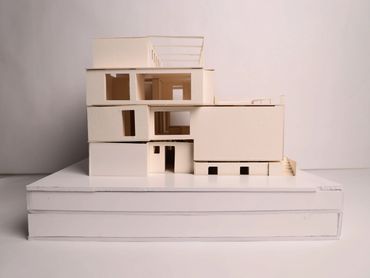
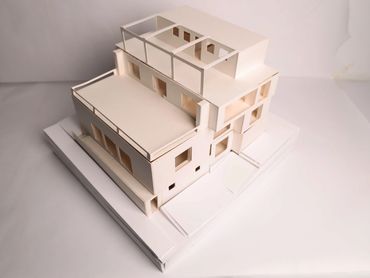
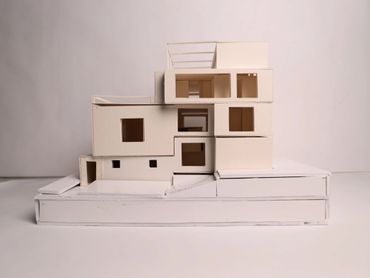
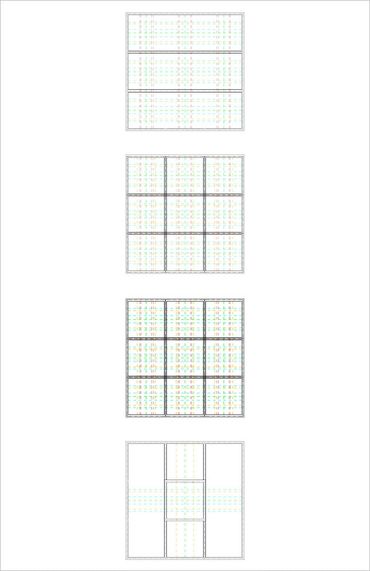
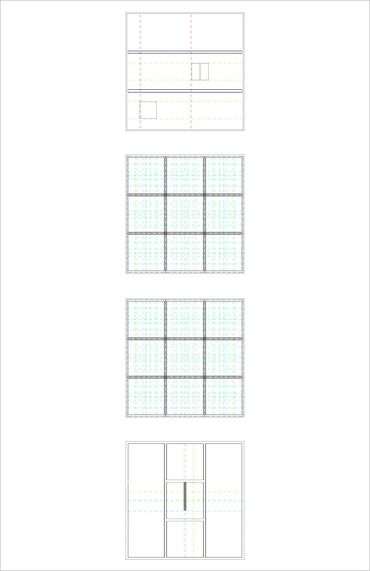
HEJDUK'S TEXAS HOUSE 4 GRID Sequence DRAWINGS
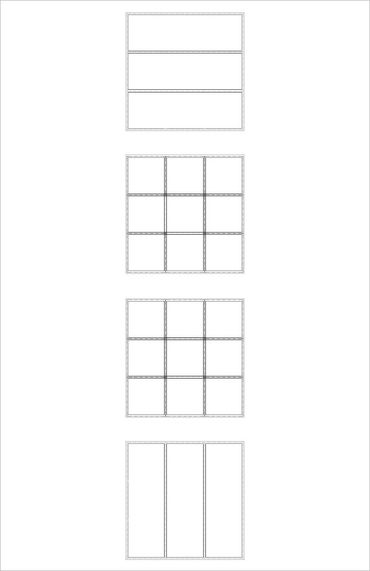
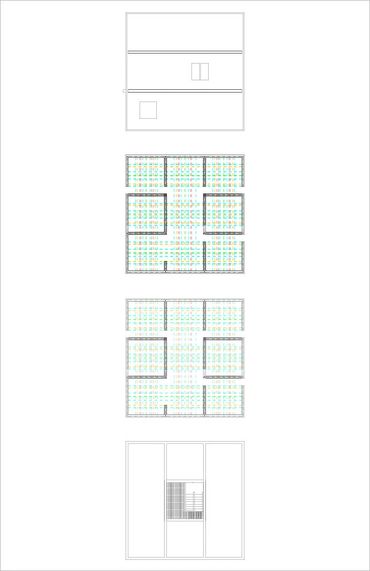
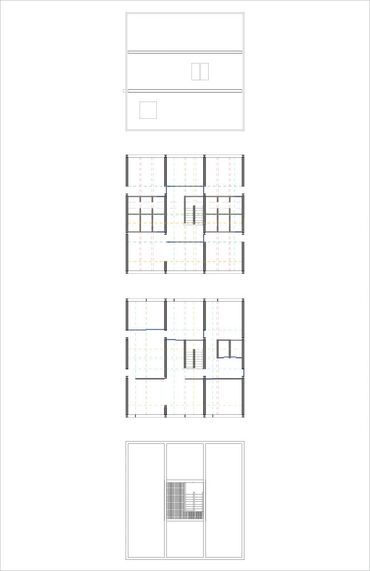
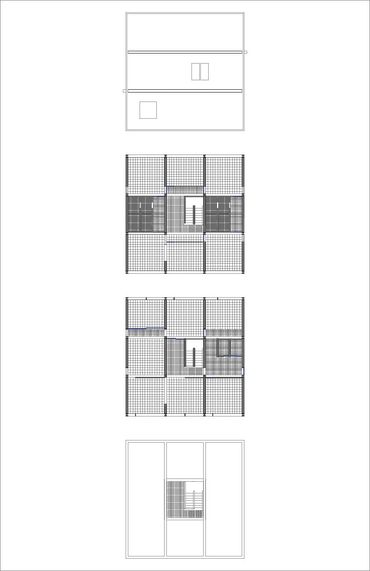
Movement and Circulation Diagrams

Loos' Winternitz Floor 1
Loos' Winternitz Floor 1
Loos' Winternitz Floor 1
Hejduk's Floor 1
Loos' Winternitz Floor 1
Loos' Winternitz Floor 1
Loos' Winternitz Floor 2
Loos' Winternitz Floor 2
Loos' Winternitz Floor 2
Hejduk's Floor 2
Loos' Winternitz Floor 2
Loos' Winternitz Floor 2
Symmetry Diagrams
Loos' Winternitz Floor 1
Loos' Winternitz Floor 1
Loos' Winternitz Floor 1
Loos' Winternitz Floor 2
Loos' Winternitz Floor 1
Loos' Winternitz Floor 1
Loos' Winternitz Floor 3
Loos' Winternitz Floor 1
Loos' Winternitz Floor 3
Hejduk's Texas House 4 Floor 1
Hejduk's Texas House 4 Floor 1
Hejduk's Texas House 4 Floor 1
Hejduk's Texas House 4 Floor 2
Hejduk's Texas House 4 Floor 1
Hejduk's Texas House 4 Floor 1